
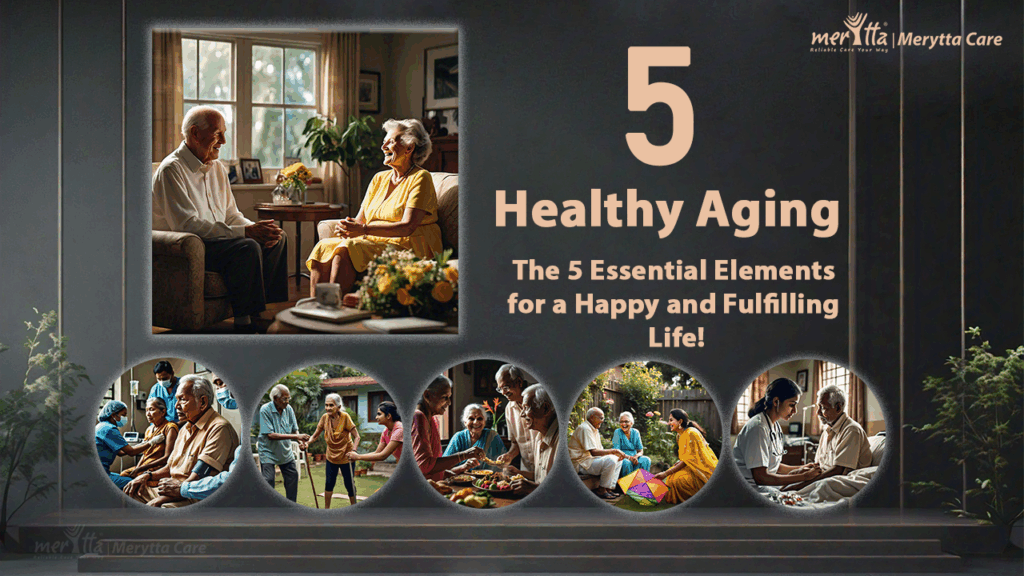
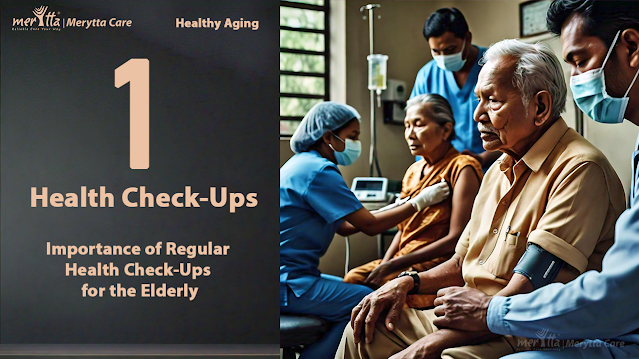
1. Importance of Regular Health Check-Ups for the Elderly
Maintaining health through regular check-ups is a crucial aspect of elderly care. These check-ups help in early detection of diseases, monitoring existing conditions, and preventing potential health issues. With an aging population, ensuring elderly care services are utilized effectively is more important than ever.
Why Regular Health Check-Ups Matter
Early Detection of Diseases: Regular health check-ups allow for the early detection of diseases such as hypertension, diabetes, and high cholesterol, which can often go unnoticed. Early intervention through elderlycare ensures better management and treatment outcomes.
Monitoring Existing Conditions: For those with chronic conditions, regular check-ups are vital. They help in monitoring health status and adjusting treatments as necessary. This is a key component of seniorcare.
Preventive Care: Preventive measures such as vaccinations and cancer screenings are part of regular check-ups. These measures help in catching potential issues early, making them easier to treat.
Components of a Comprehensive Health Check-Up
A comprehensive health check-up for the elderly includes:
Physical Examination: Vital signs such as blood pressure and heart rate are checked, and a thorough examination of the eyes, ears, nose, throat, skin, and abdomen is conducted.
Blood Tests: Tests like a complete blood count (CBC), blood glucose levels, lipid profile, and liver and kidney function tests are essential.
Imaging Tests: X-rays, ultrasounds, and MRI scans may be recommended to diagnose conditions like osteoporosis and cardiovascular disease.
Specialized Screenings: Depending on risk factors, screenings such as bone density tests and electrocardiograms (ECGs) provide valuable health information.
Vision and Hearing Tests: Regular tests can detect issues like cataracts and hearing loss early, ensuring timely treatment.
Vaccinations: Vaccinations for flu, pneumonia, shingles, and tetanus are crucial for preventing serious infections in the elderly.
Overcoming Challenges
Ensuring regular health check-ups can be challenging due to mobility issues, cognitive impairments, financial constraints, and lack of awareness. However, there are ways to address these barriers:
Home Health Care Services: Utilizing home careservices for elderly can provide medical care at home, especially beneficial for those with mobility issues.
Elderly Care Assistance: Hiring an elderlycaregiver can help with scheduling appointments, arranging transportation, and accompanying patients to medical visits.
Community Programs: Local health departments and senior centers often offer free or low-cost health screenings and educational programs.
Telemedicine: Virtual consultations reduce the need for travel and facilitate follow-up visits and ongoing monitoring of chronic conditions.
Education and Awareness: Educational campaigns can highlight the importance of regular check-ups and available resources.
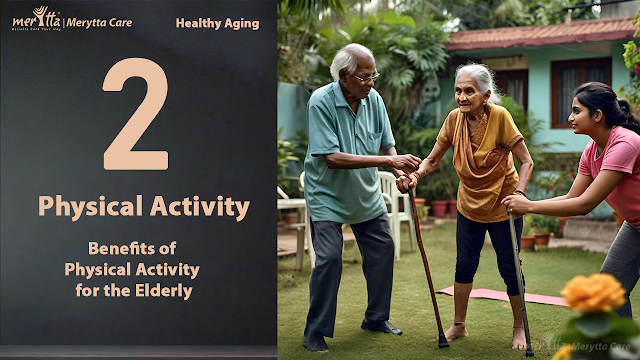
2. Benefits of Physical Activity for the Elderly
Staying physically active is a cornerstone of elderlycare and has numerous benefits for seniors. Regular exercise can improve overall health, mobility, and mental well-being, making it an essential part of senior care.
Physical Health Benefits
Improved Cardiovascular Health: Regular physical activity helps maintain a healthy heart and reduces the risk of cardiovascular diseases. Walking, swimming, and cycling are excellent exercises for improving cardiovascular health.
Enhanced Mobility and Flexibility: Exercise strengthens muscles and improves flexibility, which is crucial for maintaining mobility and independence in the elderly. Activities like yoga and stretching exercises are particularly beneficial.
Bone Health: Weight-bearing exercises such as walking and resistance training can help maintain bone density and reduce the risk of osteoporosis. This is a key focus of elderly care services to prevent fractures and falls.
Weight Management: Regular physical activity helps in maintaining a healthy weight, which can prevent or manage conditions such as diabetes, hypertension, and arthritis.
Mental Health Benefits
Reduced Risk of Cognitive Decline: Physical activity has been shown to reduce the risk of cognitive decline and improve brain health. Engaging in regular exercise can help maintain cognitive functions and reduce the risk of dementia.
Improved Mood and Mental Well-Being: Exercise releases endorphins, which can improve mood and reduce symptoms of depression and anxiety. This is especially important for the elderly, who may face increased risks of mental health issues.
Better Sleep: Regular physical activity can improve sleep quality, helping the elderly to fall asleep faster and enjoy deeper sleep. This contributes to overall well-being and energy levels.
Overcoming Barriers to Physical Activity
Encouraging the elderly to stay active can be challenging due to various barriers, such as physical limitations, lack of motivation, and fear of injury. Here are some strategies to overcome these challenges:
Personalized Exercise Plans: Creating personalized exercise plans tailored to the individual’s abilities and preferences can make it easier for them to stay active. This is a service often provided by elderlycare agencies.
Group Activities: Participating in group activities such as senior exercise classes or walking groups can provide social interaction and motivation. This can be a key component of elderly carehomes.
Home Exercise Programs: For those who find it difficult to leave home, home exercise programs can be a great alternative. Simple exercises that can be done at home, such as chair exercises, can keep the elderly active.
Safety Measures: Ensuring safety during exercise is crucial. Using appropriate footwear, exercising in a safe environment, and gradually increasing the intensity of workouts can prevent injuries.
Encouraging Physical Activity
Family members and caregivers can play a significant role in encouraging physical activity among the elderly:
Support and Motivation: Providing support and encouragement can help the elderly stay motivated to exercise. Joining them in their activities can also make the experience more enjoyable.
Setting Realistic Goals: Setting achievable goals can provide a sense of accomplishment and encourage continued participation in physical activities.
Monitoring Progress: Keeping track of progress and celebrating milestones can help maintain motivation and highlight the benefits of regular exercise.
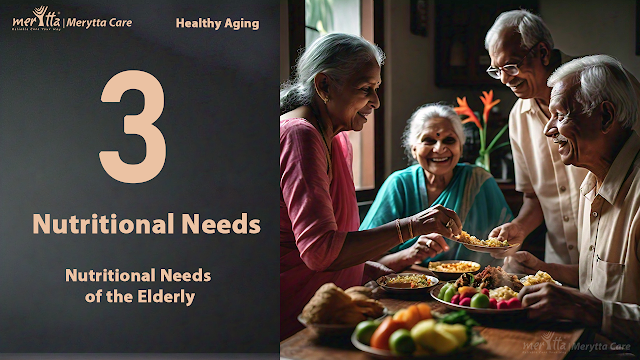
3. Nutritional Needs of the Elderly
Proper nutrition is vital for maintaining health and well-being in the elderly. As we age, our nutritional needs change, and it becomes essential to focus on a balanced diet to support overall health. Elderlycare includes ensuring that seniors receive the right nutrients to stay healthy.
Key Nutritional Needs
Protein: Protein is essential for maintaining muscle mass and strength. Including lean meats, fish, eggs, and plant-based proteins in the diet can help meet protein needs.
Calcium and Vitamin D: These nutrients are crucial for bone health. Dairy products, leafy greens, and fortified foods are good sources of calcium, while sunlight and supplements can provide vitamin D.
Fiber: A high-fiber diet helps in maintaining digestive health and preventing constipation. Whole grains, fruits, vegetables, and legumes are excellent sources of fiber.
Healthy Fats: Healthy fats, such as those found in avocados, nuts, seeds, and olive oil, support brain health and reduce inflammation.
Hydration: Staying hydrated is essential for overall health. Elderly individuals should aim to drink plenty of water throughout the day to prevent dehydration.
Dietary Challenges
Appetite Changes: Many elderly individuals experience changes in appetite, which can lead to inadequate nutrition. This can be addressed by offering small, frequent meals and nutrient-dense snacks.
Dental Issues: Dental problems can make it difficult to chew certain foods. Soft and easy-to-chew foods, such as yogurt, applesauce, and smoothies, can help maintain a balanced diet.
Medication Interactions: Some medications can affect appetite and nutrient absorption. It is important to discuss dietary needs with healthcare providers to manage these interactions.
Limited Access to Fresh Foods: Limited mobility and access to transportation can make it challenging to obtain fresh and nutritious foods. Elderly care services can assist with grocery shopping and meal preparation.
Tips for a Balanced Diet
Plan Balanced Meals: Ensure that each meal includes a balance of protein, carbohydrates, and healthy fats. Incorporating a variety of foods from different food groups can provide essential nutrients.
Focus on Nutrient-Dense Foods: Choose foods that are high in nutrients but low in calories, such as fruits, vegetables, lean proteins, and whole grains. These foods provide essential vitamins and minerals without excessive calories.
Monitor Portion Sizes: Pay attention to portion sizes to avoid overeating. Using smaller plates and serving controlled portions can help manage calorie intake.
Stay Hydrated: Encourage regular fluid intake by offering water, herbal teas, and hydrating foods like fruits and vegetables. Avoid sugary drinks and excessive caffeine, which can lead to dehydration.
Role of Caregivers
Caregivers play a crucial role in ensuring that elderly individuals receive proper nutrition:
Meal Planning and Preparation: Caregivers can assist with planning and preparing balanced meals that meet nutritional needs. They can also help with grocery shopping and ensure that healthy foods are available.
Encouraging Healthy Eating Habits: Encouraging the elderly to eat a variety of nutrient-dense foods and avoid unhealthy snacks can improve overall nutrition. Caregivers can provide support and guidance in making healthy food choices.
Monitoring Nutritional Status: Regularly monitoring the nutritional status of the elderly can help identify any deficiencies or changes in appetite. Caregivers can work with healthcare providers to address any nutritional concerns.
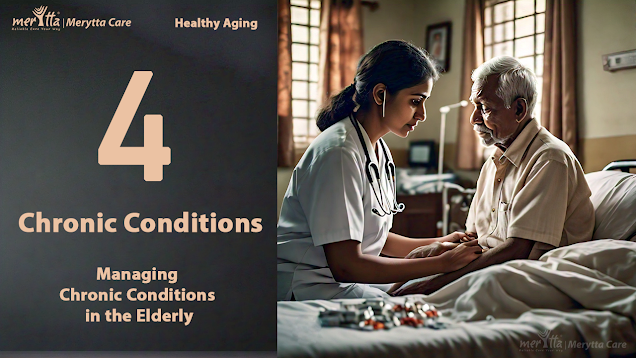
4. Managing Chronic Conditions in the Elderly
Managing chronic conditions is a critical aspect of elderlycare. Chronic illnesses such as diabetes, hypertension, arthritis, and heart disease are common among the elderly, and proper management is essential to maintain their health and quality of life.
Key Strategies for Managing Chronic Conditions
Regular Monitoring: Regular monitoring of chronic conditions is vital. This includes checking blood pressure, blood sugar levels, and cholesterol levels. Regular check-ups with healthcare providers ensure that any changes in health status are promptly addressed.
Medication Management: Proper medication management is crucial for controlling chronic conditions. This includes taking medications as prescribed, understanding potential side effects, and keeping track of medication schedules.
Healthy Lifestyle Choices: Adopting a healthy lifestyle can significantly impact the management of chronic conditions. This includes maintaining a balanced diet, engaging in regular physical activity, and avoiding smoking and excessive alcohol consumption.
Role of Diet and Exercise
Diet: A balanced diet plays a vital role in managing chronic conditions. For example, a low-sodium diet can help manage hypertension, while a diet rich in fiber can help control diabetes. Working with a nutritionist can help develop a diet plan tailored to specific health needs.
Exercise: Regular physical activity is essential for managing chronic conditions. Exercise helps in maintaining a healthy weight, improving cardiovascular health, and reducing stress. It is important to choose activities that are suitable for the individual’s physical abilities.
Importance of Mental Health
Mental Health Support: Chronic conditions can take a toll on mental health. Providing mental health support through counseling, support groups, and stress management techniques is essential for overall well-being.
Social Interaction: Encouraging social interaction can improve mental health. Participating in social activities and maintaining connections with family and friends can reduce feelings of isolation and depression.
Role of Caregivers
Assistance with Daily Activities: Caregivers play a crucial role in managing chronic conditions by assisting with daily activities such as medication administration, meal preparation, and transportation to medical appointments.
Education and Support: Providing education and support to caregivers is essential. Understanding the specific needs of the elderly and knowing how to manage chronic conditions can improve the quality of care.
Home Health Care Services: Utilizing home healthcare services can provide additional support. These services offer professional medical care and assistance with managing chronic conditions at home.
Technology in Chronic Condition Management
Health Monitoring Devices: Technology can play a significant role in managing chronic conditions. Health monitoring devices such as blood pressure monitors, glucose meters, and wearable fitness trackers can help keep track of health metrics.
Telemedicine: Telemedicine provides access to healthcare providers from the comfort of home. Virtual consultations and remote monitoring can ensure that chronic conditions are managed effectively.
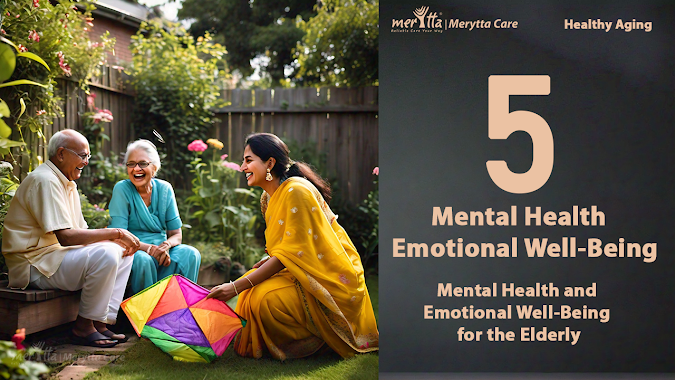
5. Mental Health and Emotional Well-Being for the Elderly
Mental health is a crucial component of elderly care. As individuals age, they may face various mental health challenges, including depression, anxiety, and cognitive decline. Addressing these issues is essential for maintaining overall well-being.
Understanding Mental Health Challenges
Depression: Depression is common among the elderly and can be triggered by various factors such as loss of loved ones, chronic illnesses, and isolation. Recognizing the signs of depression and seeking professional help is vital.
Anxiety: Anxiety disorders can also affect the elderly. Symptoms may include excessive worry, restlessness, and physical symptoms such as heart palpitations. Proper management through therapy and medication can improve quality of life.
Cognitive Decline: Cognitive decline, including dementia and Alzheimer’s disease, is a significant concern. Early diagnosis and management can slow the progression and improve the quality of life.
Promoting Emotional Well-Being
Social Interaction: Encouraging social interaction can significantly improve mental health. Participating in social activities, joining clubs, and maintaining connections with family and friends can reduce feelings of isolation.
Mental Stimulation: Engaging in activities that stimulate the mind, such as puzzles, reading, and learning new skills, can help maintain cognitive functions and reduce the risk of cognitive decline.
Physical Activity: Regular physical activity has been shown to improve mental health by reducing symptoms of depression and anxiety. Activities such as walking, yoga, and swimming can enhance mood and overall well-being.
Healthy Diet: A balanced diet rich in fruits, vegetables, and omega-3 fatty acids can support brain health and improve mood. Avoiding excessive alcohol and caffeine is also beneficial.
Role of Caregivers
Emotional Support: Caregivers play a crucial role in providing emotional support. Listening, offering companionship, and providing reassurance can make a significant difference in the mental health of the elderly.
Monitoring Mental Health: Caregivers should be aware of the signs of mental health issues and seek professional help when necessary. Regular check-ins with healthcare providers can ensure that mental health is properly managed.
Creating a Safe Environment: Creating a safe and supportive environment at home can reduce stress and anxiety. This includes making necessary modifications to prevent falls and ensuring that the living space is comfortable and secure.
Professional Support
Therapy and Counseling: Professional therapy and counseling can help address mental health issues. Cognitive-behavioral therapy (CBT) and other forms of counseling can provide effective treatment for depression and anxiety.
Support Groups: Joining support groups can provide a sense of community and shared experiences. Support groups for caregivers and those with cognitive decline can offer valuable resources and emotional support.
Medication Management: Medications may be necessary to manage mental health conditions. It is important to work with healthcare providers to find the right medication and dosage.
Conclusion:
Managing aging and recovery from aging illnesses requires a comprehensive approach that includes regular health check-ups, physical activity, proper nutrition, chronic condition management, mental health support, social engagement, a safe living environment, financial planning, mental stimulation, and personal hygiene. These ten points provide a framework for effective elderly care and highlight the importance of a holistic approach to senior care.
By Merytta Home health care
At Merytta Home Health Care, we offer a wide range of elderly care services to support seniors in Bangalore. Our team of dedicated professionals provides personalized care to ensure the well-being and quality of life of our clients. If you or your loved one needs elderly care in Bangalore.
Our Services Include:
- Elderly Care: Compassionate support for our seniors.
- Patient Care: Dedicated assistance for recovery and wellness.
- Home Nursing: Skilled nursing care at your doorstep.
- Dementia Care: Specialized care for memory and cognitive support.
Please contact us for more information about our services:
📍 Location: Merytta Home Health Care, No. 290, First Floor, Near BET College, Opp to RK Plaza, Dodda Banaswadi, Bengaluru, Karnataka 560043.